Newsletter Subscribe
Enter your email address below and subscribe to our newsletter

 ByJohn A
Technology is transforming transportation through connected data, sensors, and automation. Smarter infrastructure enables real-time fault detection and safer streets. Mobility as a Service unifies rides, transit, and micromobility into a single user experience. Data analytics and AI optimize freight, routing, and maintenance while reducing emissions. The result is measurable efficiency gains, greater transparency, and resilient systems. Yet challenges remain in policy, equity, and implementation—issues that will shape the next phase of progress.
Technology-driven transportation blends data, connectivity, and automation to deliver safer, faster, and more efficient mobility.
The approach centers on data sharing to synchronize fleets, optimize routes, and reduce congestion, while evaluating performance through measurable outcomes.
This paradigm supports urban resilience by improving accessibility and reliability, enabling equitable mobility choices, and guiding policy with transparent, real-time insights for future-proof urban freedom.
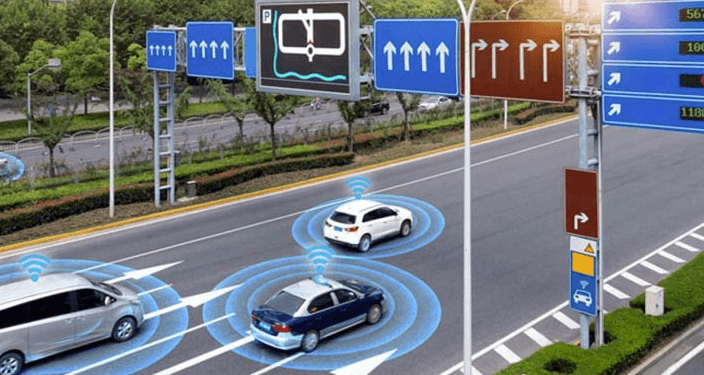
Smarter infrastructure leverages a network of sensors, communication protocols, and analytics to convert city streets into responsive systems. Data-informed designs quantify risks, optimize flows, and support rapid decision-making. Smart sensors enable real-time fault detection, while intelligent signaling coordinates intersections, mitigating congestion. Resilient networks sustain operations during incidents, advancing safe streets and measurable outcomes that empower communities seeking freedom through reliable mobility.
Mobility as a Service (MaaS) integrates multiple transportation options—rides, transit, bike and scooter shares, and on-demand services—into a single, user-centric platform that simplifies planning, booking, and payment.
This approach enables mobility unification across networks, delivering real-time routing, cost transparency, and personalized options.
Applying data analytics and artificial intelligence to freight operations enables precise demand forecasting, optimized routing, and real-time asset utilization, leading to lower fuel use and reduced emissions.
Data governance frameworks ensure compliant, auditable information flows, while predictive maintenance minimizes unexpected downtime.
The approach boosts visibility, empowers proactive decisions, and drives measurable efficiency gains, supporting resilient logistics networks and a sustainable, freedom-oriented transportation future.
Funding challenges shape how small towns finance upgrades; grant strategies emerge as practical paths. The approach emphasizes measurable milestones, transparent metrics, and forward-looking plans, enabling communities to preserve freedom while pursuing scalable, cost-effective transportation tech improvements.
No. Autonomous buses are not slated to replace human drivers imminently; trials show gradual integration with safety standards, operational metrics, and public acceptance guiding progress, preserving human roles while expanding efficiency and freedom through measured, transparent deployment.
Data privacy in smart transit systems is protected through data encryption and rigorous user consent. The approach emphasizes transparency, measurable safeguards, continuous auditing, and scalable privacy by design, enabling riders to pursue freedom with confidence while systems evolve responsibly.
See also: The Role of Cryptocurrency in E-Commerce
In one city, a lone environmental sensors network logged urban air quality improvements from policy shifts; the data depicts tangible gains. Environmental sensors reveal cleaner skies, yet calibration, maintenance, and data-sharing governance shape true, scalable outcomes.
Pedestrians may opt out through privacy safeguards offering opt-in/opt-out controls; however, complete exclusion could limit data usefulness. The discussion centers on ethical considerations and privacy safeguards balancing freedom with safety, efficiency, and transparent metrics for collective mobility.
In this evolving transportation landscape, technology acts as a precision loom weaving mobility into a single, resilient fabric. Sensors and AI are the metronomes guiding safer streets, while MaaS choreographs diverse modes into smooth, predictable journeys. Data-driven freight trims waste as if pruning a bonsai, and emissions shrink with every optimization. The result is a forward-facing panorama: clearer routes, measurable gains, and a connected system that moves with intent toward sustainable, equitable futures.